
The Iron Men
Cargo Cults and Drawing Class

In a recent post on Substack JA Westenberg offers a number of examples of artists being inspired without copying—-by deciphering the method without dressing up in the work’s appearance. As Westenberg so aptly puts it, with AI ‘the surface copy is now free’ and ‘the visible is cheap’, which makes our imagination and the realm of the invisible priceless.
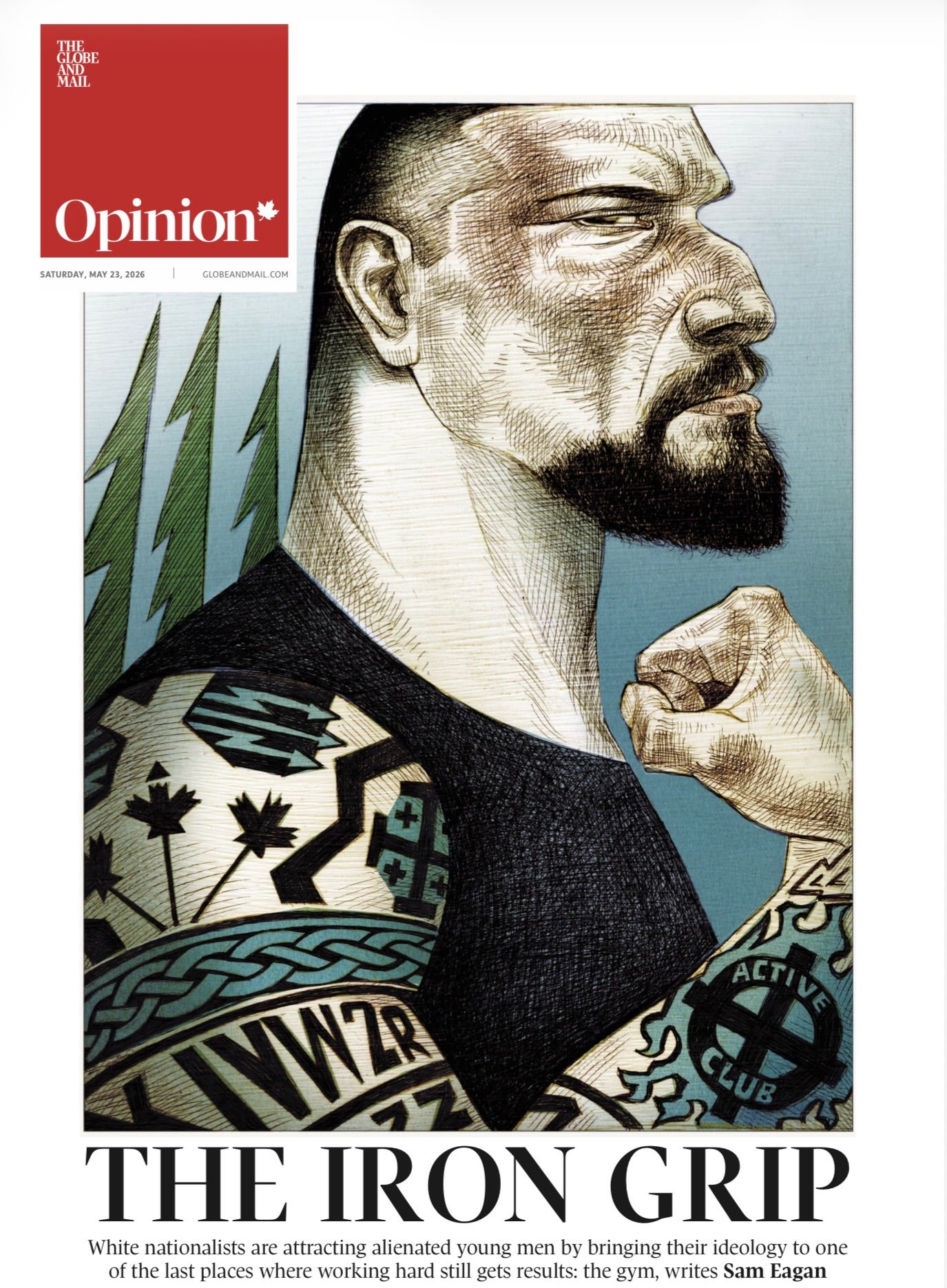
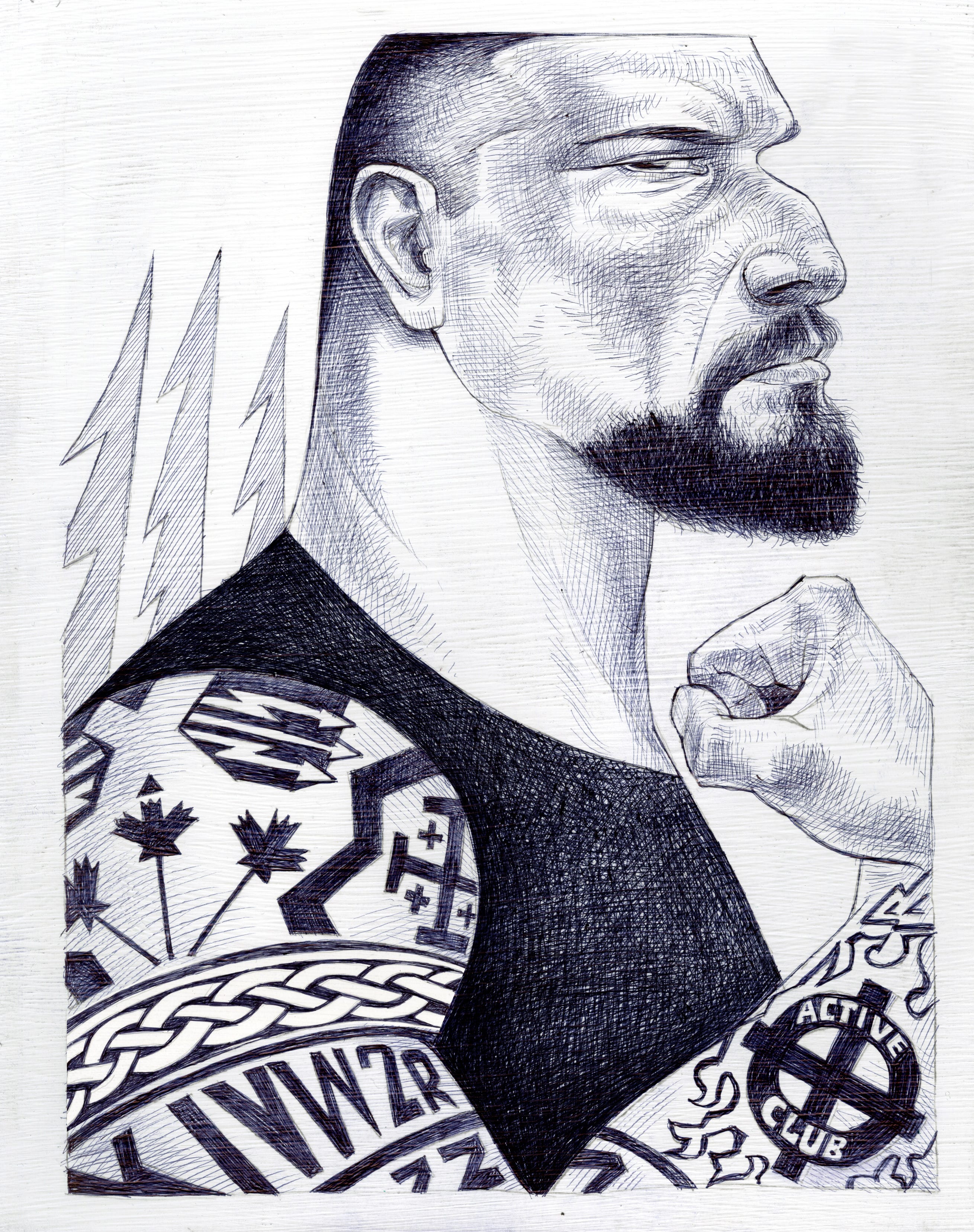
I had just completed a commission for the Globe and Mail Newspaper on the rise of white nationalist Active Clubs in Canada and Westenberg’s post, combined with the curriculum writing I’m doing presently, collided and offered me an insight into a teaching approach that I avoid.
In a drawing class, some students want the teacher to demonstrate and it is an established practice for some teachers. I don’t demonstrate, I have always seen it as a reductive way to get students to work in a way that makes the teacher comfortable. Maybe there is something even more insidious happening when we demonstrate. By drawing infront of your students you are essentializing the wrong thing. The appearance of the drawing becomes fundamental and returning to Westenberg describing Cargo cult creativity…
… South Pacific islanders who built bamboo control towers after the war (WW2) ended believed that if they replicated the surface details of an American airstrip, the planes would return with cargo. The towers were elaborate, and the construction careful. But the planes never come back.
Cargo cult creativity makes the same error. It assumes the visible artefact is the cause of the result, when the visible artefact is the consequence of something deeper and hidden.
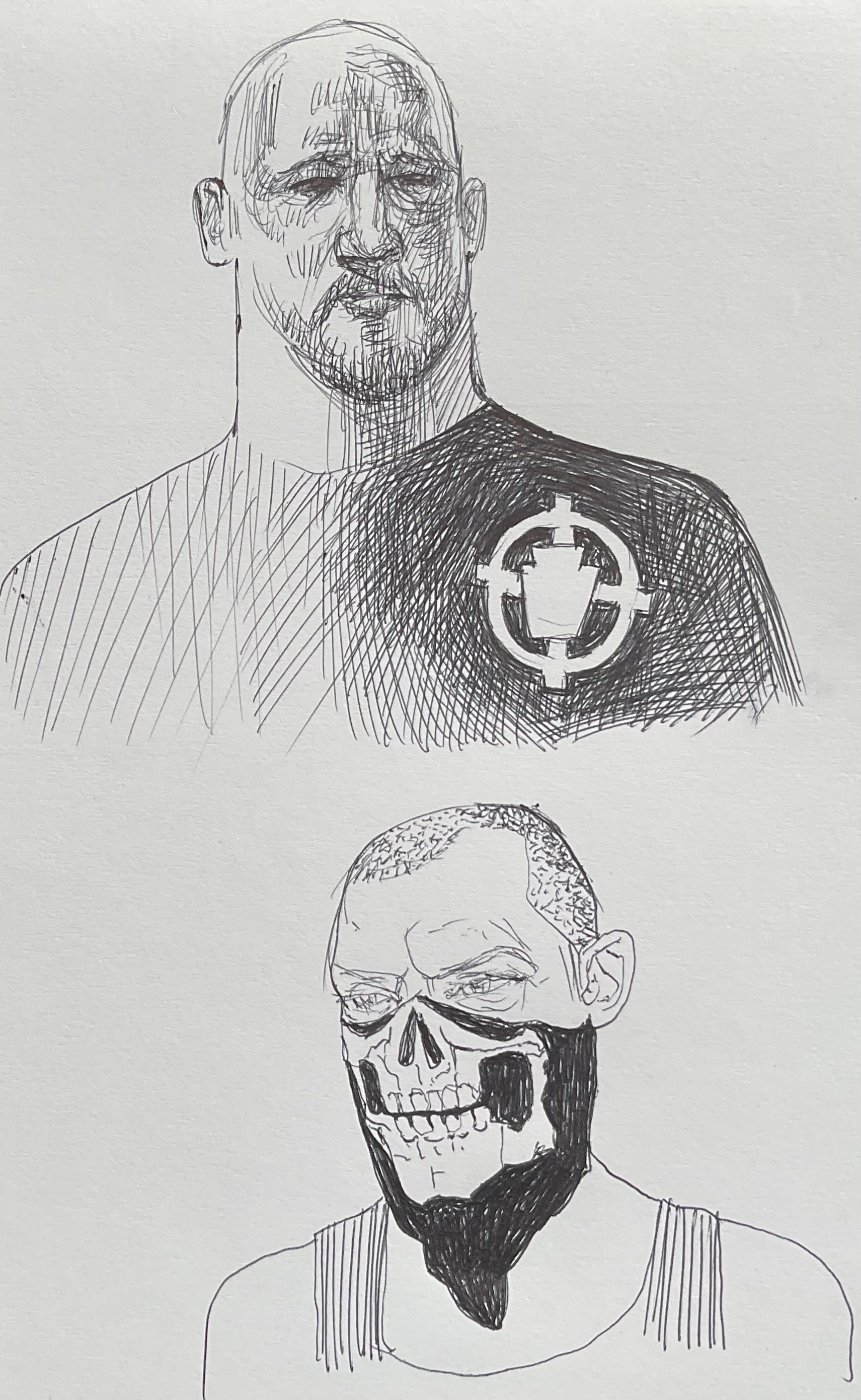
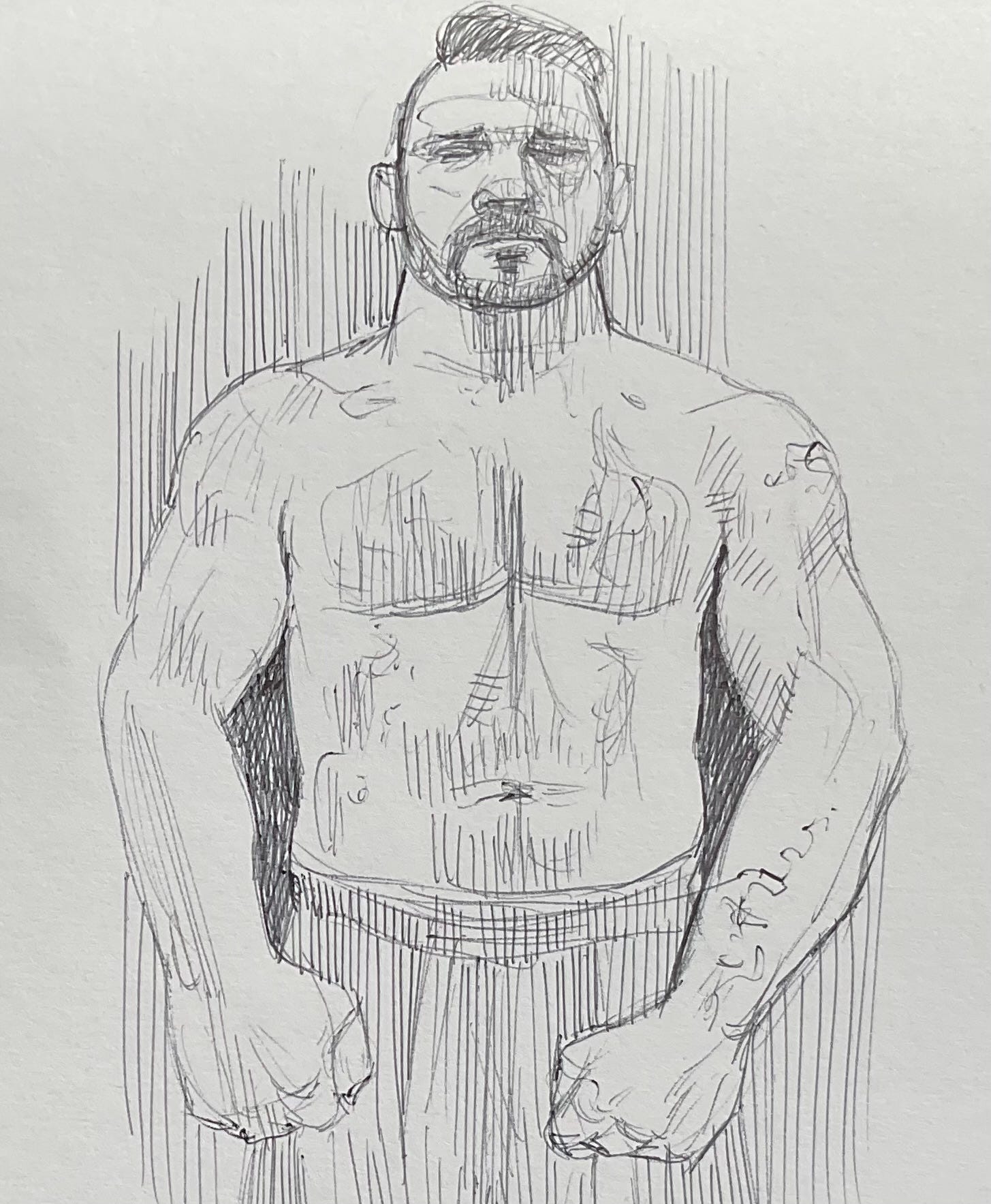
I don’t want my students to draw like me, but to draw like themselves, it’s ‘the deeper and hidden’ we are working towards. The drawing exercises drive method not appearance, but it is difficult to break the habit of resemblance and representation. The portraits I am most happy with balance the obvious need to look like the person with a deeper expression of who they are. Drawing well isn’t a narrowing like a How To tutorial, it is expansive and collective. Short cuts are the last thing you should be looking for when you are building ideas. We can’t inhabit the work of another by pulling its surface over us like another skin.
We are getting a massive lesson in the difference between the surface of the artwork and the body beneath as generative images seep into our media. LLM’s will prove to be the worst model for creativity ever devised, they narrow the scope of influence and shorten the gap between input and output, so that we will be instantly immersed in a visible answer, that we literally had no hand in.
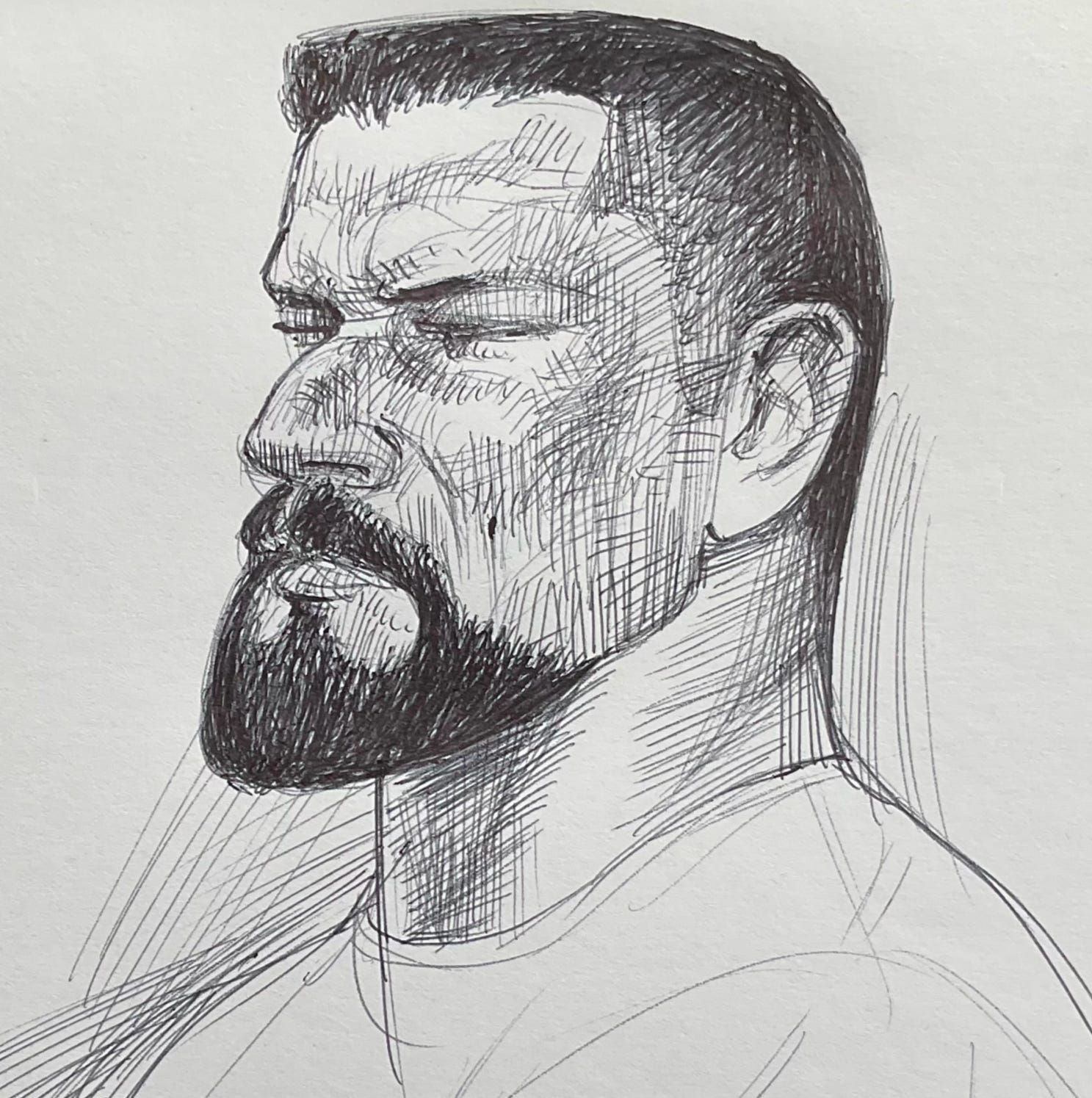
When you see something that inspires you, ask it how it works, what is it doing, and leave its appearance alone. I visualize when I teach drawing, with a ballpoint pen in my sketchbook, so that the task—the why makes sense and the how is in the hands of the student, where it belongs.