
Being vs Having
The Battle for Creativity Begins Here

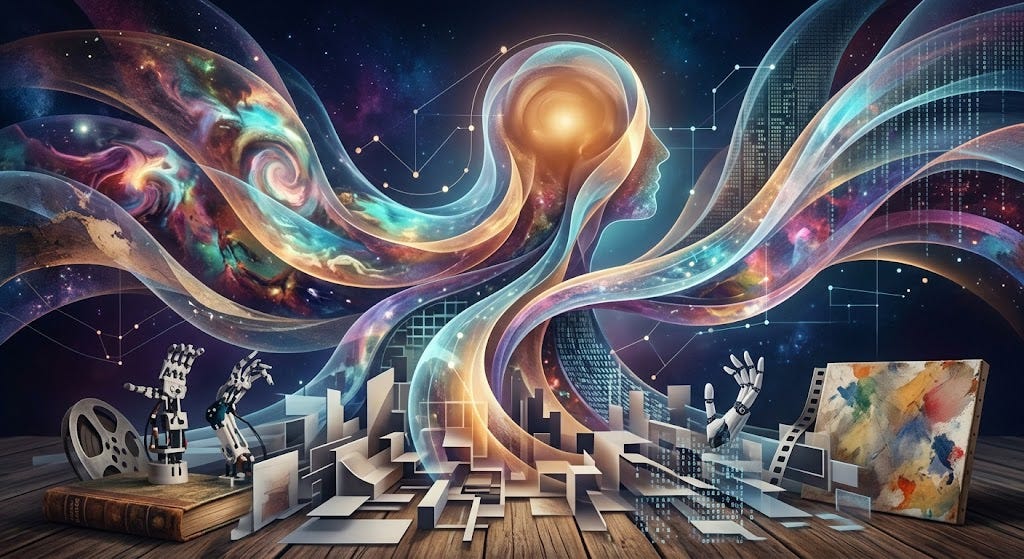
Early morning doom scrolling instead of enjoying a coffee and sitting outdoors—maybe because the heat is still oppressive at 7am. That’s just cope, but the algorithm on Substack meant to keep me glued to the screen did hook me with a headline and subhead- - - Artists vs Artisans/ AI will kill the creative artisan. Long live the age of the artist. I knew the title was clickbait, and when I opened the post, a quote from Picasso coupled with the terrible AI image pastiche below, let me know this had nothing to do with any celebration of ‘the age of the artist.’
The author is an advertising entrepreneur, which has the same exaggerated status of a prompt engineer. The premise of the piece uses a false equivalency, equating the use of assistants by artists of the past, with the use of AI today. This is the game of hype and hucksters - - flatten differences, obliterate nuance, sell the lie. Here’s the sales pitch (my emphasis added)…
One individual can realistically create and distribute work across multiple media (novel, film, audio, TV, soundtrack, artwork, marketing) without needing an institution. This has never been the case in human history. AI will empower creative vision, instead of just taking it all away. This is the opportunity for artists. AI has the power to transform creative work.
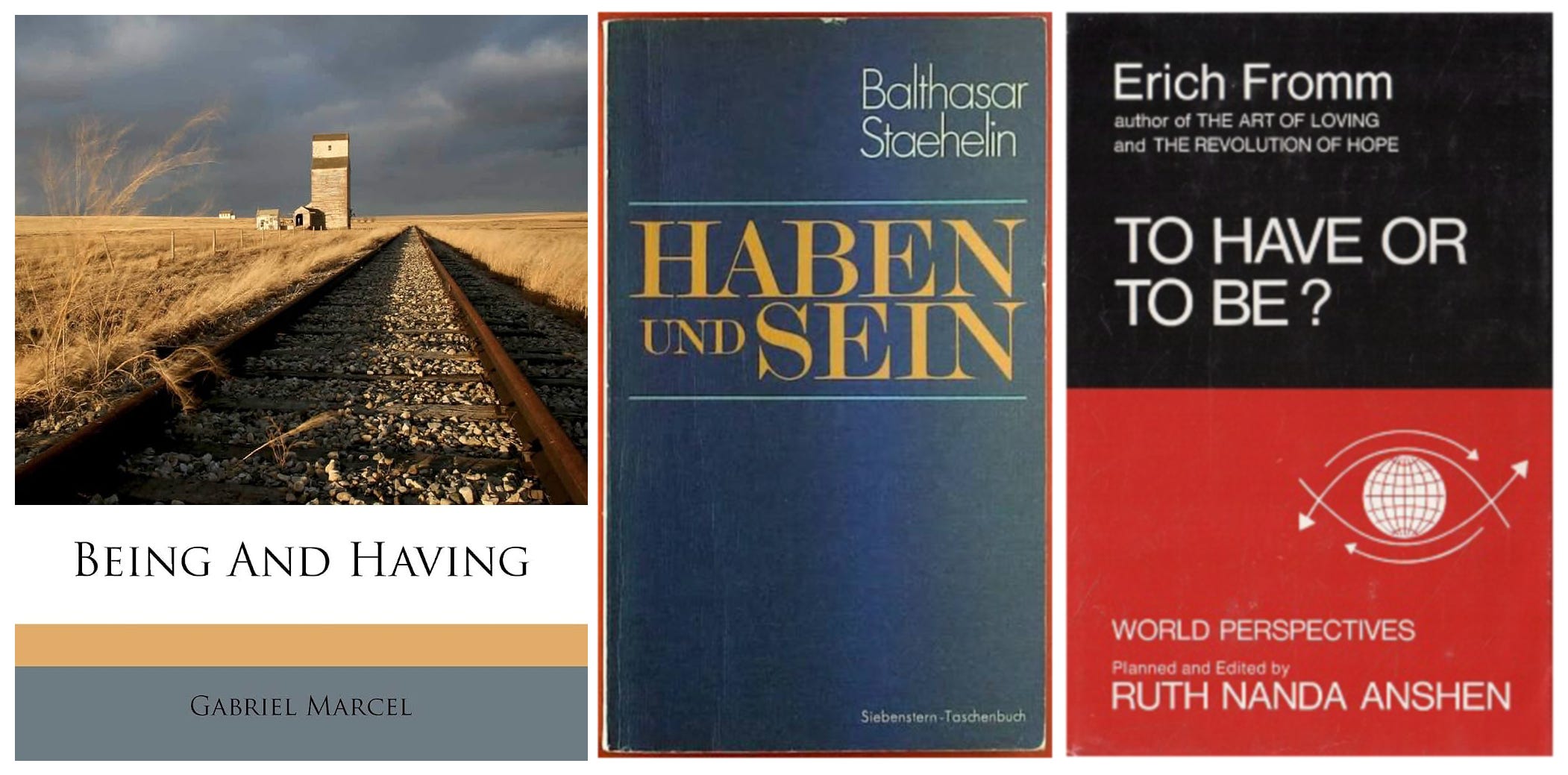
The quoted passage and the prompted image are perfect examples of how the business of marketing/advertising perceive creativity. It is a thing to have, not a way to be. The psychoanalyst and philosopher Erich Fromm developed his theory about having and being in his 1976 book, To Have or To Be? Fromm explains his specific approach in the books foreword…
All three books are written in the spirit of humanism, but approach the subject in very different ways: Marcel writes from a theological and philosophical standpoint; Staehelin’s book is a constructive discussion of materialism in modern science and a contribution to Wirklichkeitsanalyse; this volume deals with an empirical psychological and social analysis of the two modes of existence.
Fromm examines the industrial age, and the development of an economic system that is built on the values that support the health and growth of the system, rather than what is good for humanity. Our age is even more diabolical, we are being sold the fiction of creative transformation by platforms that only offer us digital serfdom. This is the strategy of feeding our own demise, we are being consumed at the same time we are consuming. What is the AI’s purpose, and who does it serve? Why does the design depend on extraction and manipulation?
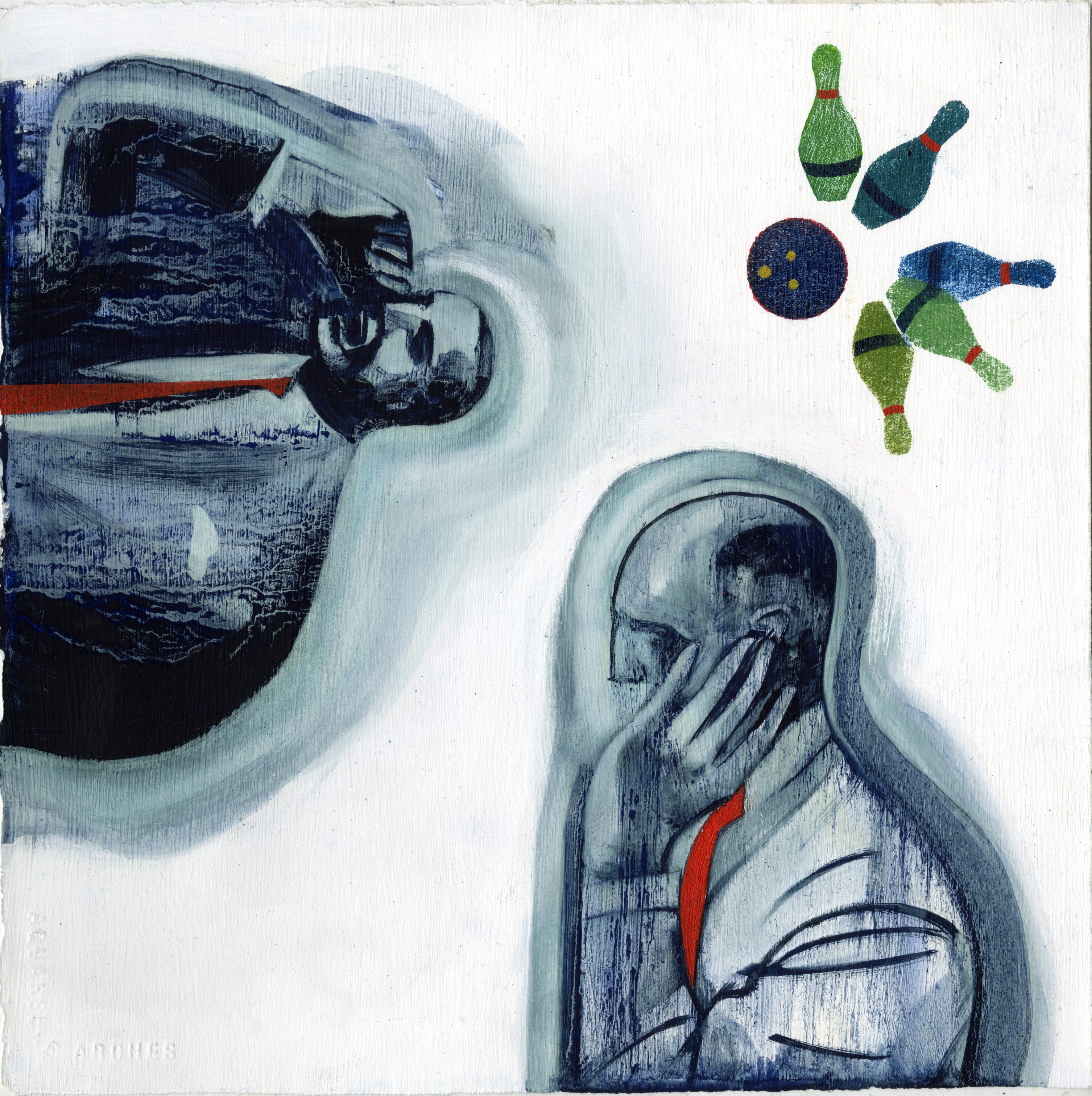
The being mode is where creativity is fed, how we seek out new possibilities and welcome ambiguity and wonder. Tools service the having mode through their utility, a hammer doesn’t possess values or judgement, and yet with AI, we have magically created a tool with being? This isn’t science, this is snake oil. This is the dissonance of anti-humanism that believes AI has consciousness and that all questions can be answered by science. But who will ask the questions that extend our reach beyond the tool, when we have bounded our curiosity?
Marcel, Staehelin, and Fromm begin with humanity, centring us as the meaning makers. This is the frame we need to use with technology, my car is not the journey, just the vehicle that helps me to experience another place. It is in me to travel, to see new places, and to experience awe and wonder. Enough with the screen, I’m going to walk my dog.